
GrabOne Collapse: Iconic NZ Deals Platform Owes Creditors Over $16.5 Million
Auckland, October 24, 2025 – Lions Roar Aotearoa News
One of New Zealand’s most recognisable online shopping and discount platforms, GrabOne, has officially gone into liquidation — leaving behind a trail of financial losses, frustrated customers, and a sobering reminder of the fragile state of New Zealand’s digital retail sector.
According to the first liquidator’s report, Global Marketplace New Zealand Limited, the company that operated GrabOne, owes more than $16.5 million to creditors after being placed into liquidation last week due to what was described as “funding constraints.”
The collapse of GrabOne has stunned both consumers and business partners, many of whom were caught off guard by the abrupt shutdown. Founded in 2010, GrabOne was once a trailblazer in New Zealand’s daily deals space — offering heavily discounted vouchers for restaurants, experiences, and products, and fostering a vibrant community of bargain-hunters.
But as the economic environment tightened and online competition intensified, the company struggled to sustain operations, eventually succumbing to mounting financial pressures.
Funding Collapse and Mounting Debts
Liquidators from BDO New Zealand confirmed that the company had been operating at a loss for several months. In their initial report, they cited “insufficient cash flow and funding difficulties” as the key reasons for the liquidation.
Preliminary investigations revealed that creditors are owed more than $16.5 million, including unpaid merchant balances, supplier invoices, and tax liabilities. A large portion of this amount represents outstanding payments owed to small businesses that ran promotions through GrabOne — many of which now face serious cashflow problems.
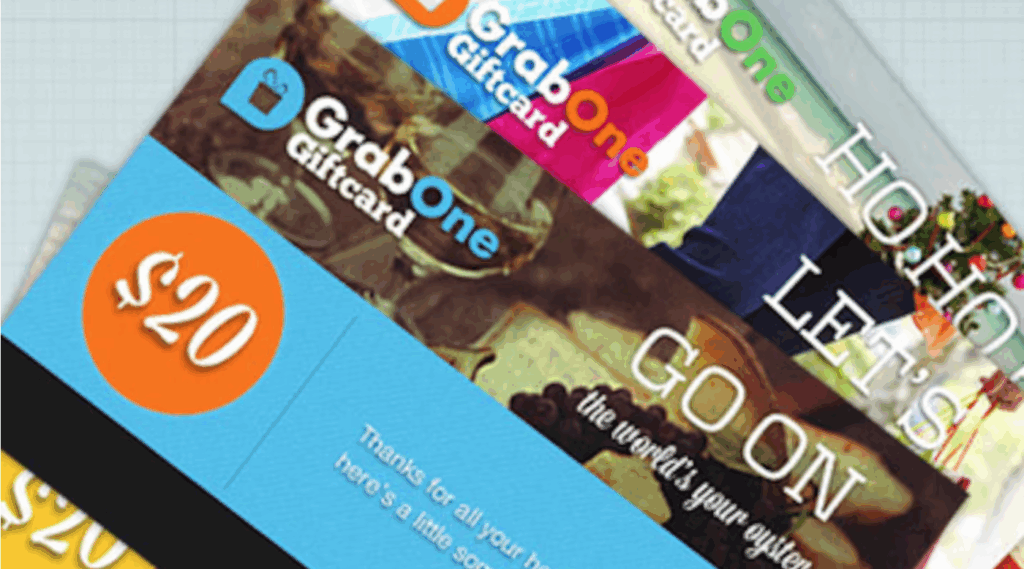
Customers who purchased vouchers and were yet to redeem them have also been caught in the fallout. While some vendors have offered to honour the deals, others have been unable or unwilling to do so without compensation from GrabOne’s parent company.
The liquidators noted that Global Marketplace New Zealand Limited had been in financial distress for some time, and attempts to secure additional capital or a buyer for the business were unsuccessful. “The company experienced ongoing funding constraints and was unable to meet its obligations as they fell due,” the report stated.
Businesses and Customers Left in Limbo
For many New Zealanders, GrabOne was a household name. At its peak, it was among the top e-commerce platforms in the country, known for offering discounts of up to 70 percent on local experiences, travel packages, and dining deals.
But its sudden demise has left thousands of customers uncertain about whether they will ever see their money again. Many took to social media to express anger and disappointment, saying they received no warning before the site went offline.
Small businesses — including restaurants, salons, and tourism operators — have also voiced frustration. Many relied on GrabOne to drive new customers through their doors and now face potential losses running into thousands of dollars.
A café owner in Wellington told Lions Roar Aotearoa News, “We had nearly 200 outstanding vouchers. Without reimbursement, we simply can’t afford to honour them. It’s heartbreaking because we built strong relationships with customers through this platform.”
From Daily Deals Darling to Digital Downfall
GrabOne’s story mirrors that of many early e-commerce success stories that struggled to adapt as consumer habits evolved.
Launched in 2010 during the global rise of “daily deal” sites like Groupon, GrabOne quickly became a Kiwi favourite. It was originally founded by Shane Bradley and later acquired by NZME (New Zealand Media and Entertainment), the publisher of the New Zealand Herald, in 2011.
Under NZME’s ownership, GrabOne expanded into travel, events, and retail categories, often featuring partnerships with local and national brands.
However, the daily-deals business model — reliant on short-term promotions and heavy discounting — began to lose steam globally in the late 2010s. Consumer fatigue, merchant dissatisfaction, and thin profit margins made sustainability difficult.
In 2021, NZME sold GrabOne to Global Marketplace (Australia), which also owns other online retail brands across Australasia. The acquisition was seen as a chance for revitalisation, but instead, GrabOne struggled amid post-pandemic economic uncertainty, inflation pressures, and a cooling digital ad market.
By 2025, the once-vibrant platform was operating at reduced capacity, with fewer new deals and declining traffic.
Economic Pressures and Industry Context
Analysts say the collapse reflects broader challenges facing e-commerce and consumer services in New Zealand.
Rising costs, changing consumer behaviour, and increasing competition from global giants like Amazon and Temu have made survival harder for local platforms.
E-commerce specialist Rachel Ng told Lions Roar Aotearoa News that GrabOne’s liquidation “marks the end of an era” in New Zealand’s online retail landscape.
“GrabOne thrived when consumers were new to online deals, and small businesses were eager to experiment,” Ng said. “But with inflation, tighter household budgets, and shifting loyalty towards global marketplaces, local players have struggled to keep up.”
She added that funding and scale were critical weaknesses: “Platforms like GrabOne require significant marketing spend and tech investment to stay relevant — and once the financial backing dries up, it’s almost impossible to recover.”
The Human Cost and Future Outlook
For the company’s remaining employees, the liquidation represents the end of a long and difficult journey. Around 25 staff members were reportedly affected, with redundancies announced immediately following the liquidation decision.
The liquidators are now tasked with reviewing the company’s financial records, identifying assets for potential recovery, and determining whether there were any breaches of director duties.
In the meantime, affected customers and merchants are being advised to file claims through the liquidation process. However, based on early indications, it is unlikely that unsecured creditors — including customers — will recover much of their money.
Consumer NZ spokesperson Gemma Rasmussen urged affected individuals to act quickly. “If you have outstanding vouchers, contact your bank or credit card provider to dispute the transaction. Depending on your payment method, you may be able to secure a refund through chargeback rights.”
An End of a Digital Era
GrabOne’s collapse underscores how rapidly digital fortunes can change. Once celebrated as a Kiwi innovation success story, it now serves as a cautionary tale about the volatility of the online deals market.
As New Zealand continues to navigate a fragile economic recovery, the liquidation of such a well-known platform raises larger questions about the sustainability of local tech ventures in a globalised digital economy.
For thousands of New Zealanders, GrabOne was not just a website — it was a symbol of smart shopping and community engagement. Its loss is more than financial; it’s cultural, marking the end of a chapter in New Zealand’s online retail evolution.
By Lions Roar Aotearoa News Desk
For more updates on New Zealand business and tech developments, visit www.lionsroar.co.nz/news